My Clever Assistant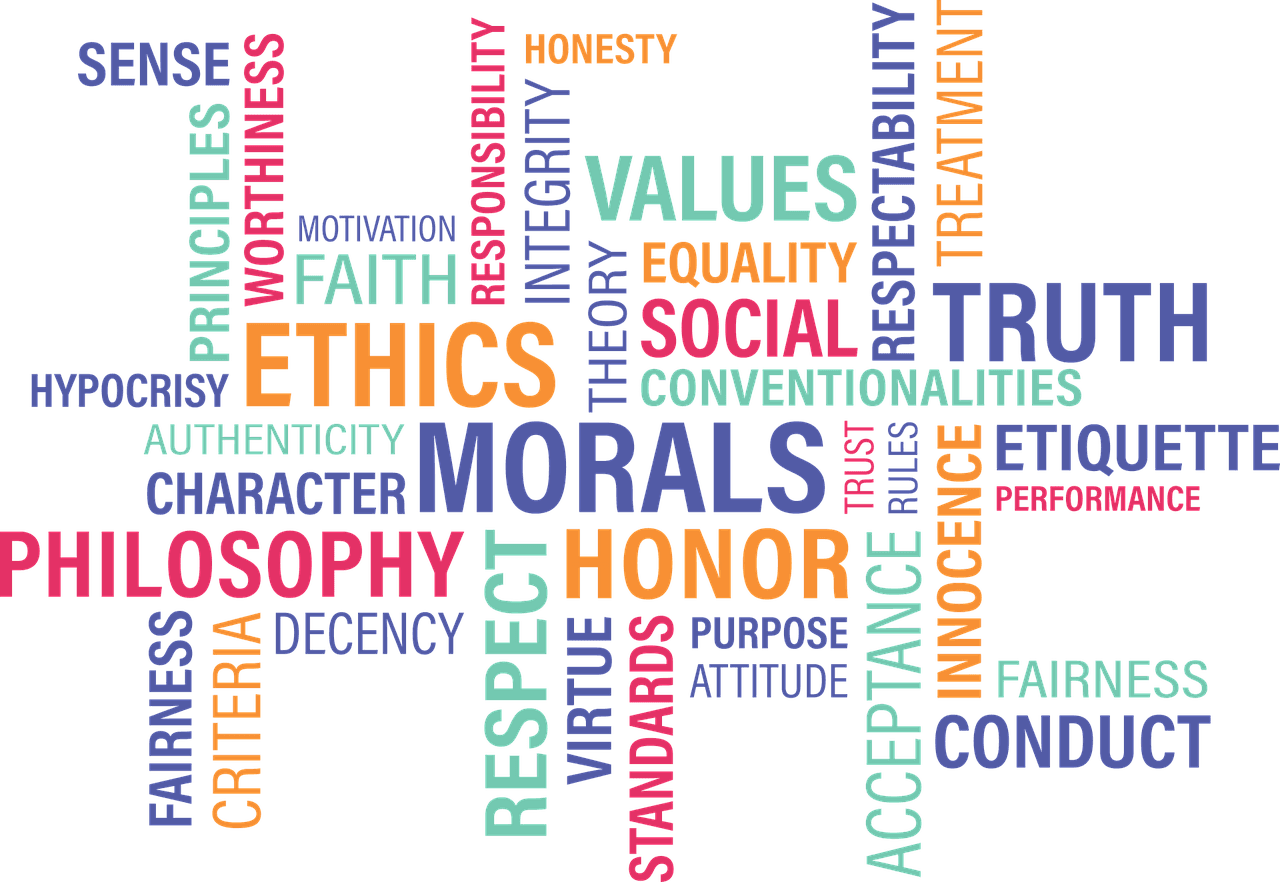
Integrity…
…when used as a virtue concept, describes consistent behavior or actions that are grounded in honesty. While it is a personal choice, it demonstrates a commitment to moral and ethical values and principles. It describes the quality of one’s character.
Morality refers to one’s ability and willingness to chose between right and wrong and; for many, is a result of our upbringing. Ethics consist of behavioral standards and the moral values that form the foundation as we make decisions and interact with others.
If you are questioning why I’m writing on this topic, the answer is simply this. In business, your integrity or the lack of it, will guide your decisions that impact your clients, customers and all others that you interact with. This directly impacts your reputation and your company’s reputation.
As a young adult, I worked for a small business owner who sold exquisite fine jewelry and also, some fashion jewelry pieces. Those of us working there created a name (used only among ourselves) to differentiate the fashion jewelry from the real thing – the 14 and 18 kt gold or platinum pieces. The fashion jewelry pieces were usually coated or had a gold-tone overlay and we called them “laidnear” gold. Why? Because at one time or another, these pieces had “laid near” the real thing.
So my question is this. Do you have “laidnear” integrity? Do you think that will sustain your business for the long haul? Do you try to integrate yourself with groups or people who have a high degree of integrity in hopes of convincing them you are like-minded?
Some small business startups may find themselves susceptible to situations that challenge their integrity because their resources are limited. It may be very tempting to relinquish your integrity and commit an occasional ethics breach in an attempt to get short-term advantages to be more successful or to make money. But consider this:
Your personal integrity is at stake and it’s an essential part of your business. If you abandon it for the sake of making a few sales to get your name out in your circle of influence, you risk damaging your reputation. And, in most cases, it will eventually catch up to you. Instead of being considered a professional business owner or an expert in your field, you’ll find others viewing you to have a dishonest nature or to be a fraud.
In today’s world, technology makes it increasingly difficult to hide your exaggerations and your transgressions. It’s called “Google”. Even if you are one of those who try to hide behind changing your business name to bury bad reviews and unethical behaviors, you will be found out eventually.
Amy Rees Anderson, a contributor to Forbes, published a great article on this topic called “Success Will Come and Go, But Integrity is Forever”. It’s worth the couple of minutes it will take for you to read it. I agree with all of her points.
While we all make mistakes, how many of you have found the biblical Golden Rule “do unto others as you would have them do unto you” (Matt. 7:12) to be the easiest way to follow your moral compass which directly affects your Integrity Quotient – your level of integrity?
As a condition of my membership with IVAA (International Virtual Assistant’s Association), I comply with the organization’s Code of Ethics; feel free to review them.
Have you developed a professional Code of Ethics for your business? You might find it easier to make business decisions when ethical challenges arise, if you have a Code to follow.